Ever felt like your air conditioner is playing a game of “red light, green light” – with its constant starting and stopping? This frustrating experience is known as short cycling, and it can turn your once peaceful home into a battleground against uneven temperatures and spike energy bills.
So, what exactly is short cycling? It’s when your air conditioner turns on and off more frequently than it should, disrupting your comfort and potentially leading to costly repairs. But don’t worry! We’re here to guide you through this pesky problem with a few comforting tips to get your AC back on track.
Identifying the Symptoms: How to Spot AC Short Cycling
Short cycling is an air conditioner‘s way of crying for help, often going unnoticed until energy bills skyrocket or your home feels less comfortable. To spot it, listen and watch closely.
- Does your unit turn on and off frequently? Each cycle should last about 15 to 20 minutes.
- Also, pay attention to your home’s temperature. Is it reaching the set point on your thermostat?
- Watching for uneven cooling. If some rooms are too cold while others remain stifling, short cycling could be the culprit.
- Keep an eye on the thermostat display for rapid changes or hiccups in performance.
Remember, a suddenly icy or hot room isn’t always a quick fix with a sweater or a fan—sometimes, it’s a sign that your air conditioner is in distress.
Common Culprits: What Causes AC Short Cycling?
Dealing with short cycling can be frustrating, but before you call in our professionals, there are a few simple checks you can perform. Sometimes, a quick fix is all it takes to get your system back on track!
- Oversized AC unit: When your air conditioner is too large for your space, it cools the area rapidly and then shuts off prematurely, only to start again soon after. This quick on-and-off routine isn’t just annoying but can wear down your system over time. Review the system’s size relative to your home’s needs and consult a pro if the issue persists.
- HVAC air filters: If they’re blocked or clogged, airflow is restricted, causing the system to overheat and shut down as a protective measure. This can lead to those notorious short cycling bouts. Regularly checking and replacing your filters can mitigate this problem significantly.
- Thermostat issues: A thermostat placed in a spot where it detects the cool air directly from a vent might signal the AC to turn off before the rest of the house is cooled properly. Ensuring it’s correctly positioned, and functioning is key.
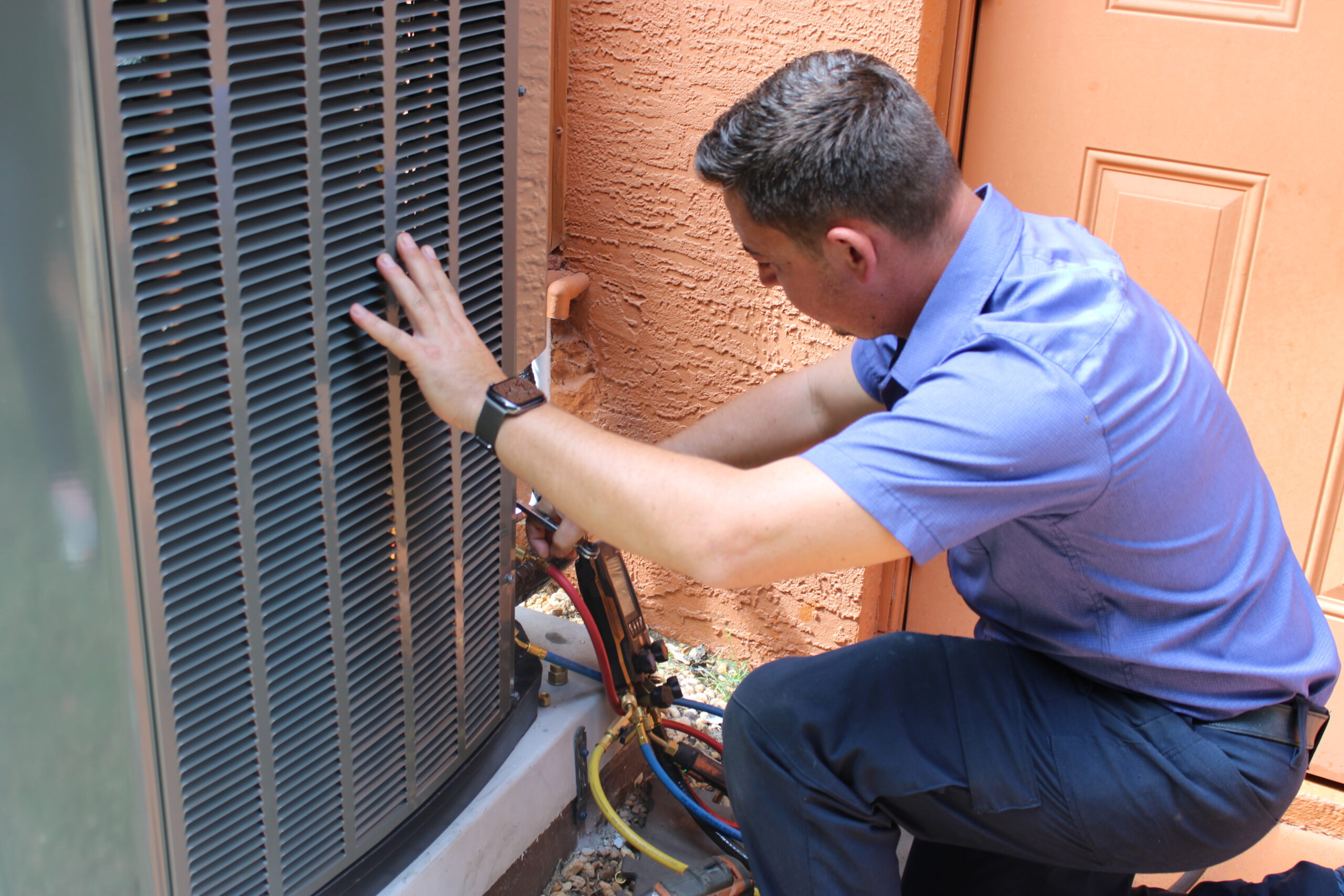
- Electrical problems: These may include faulty wiring or a malfunctioning capacitor, both of which require professional attention. That’s what our guys are here for!
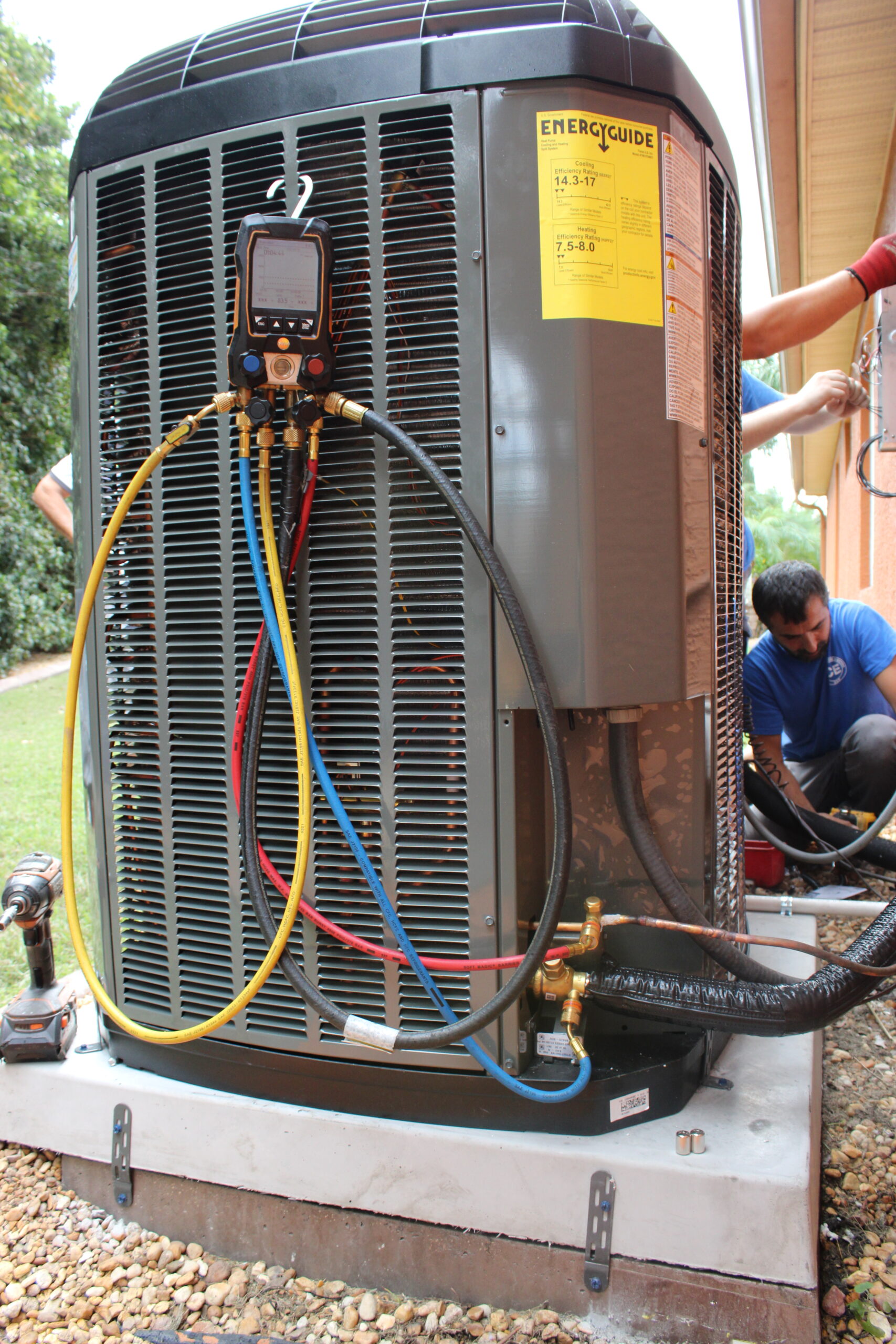
- Refrigerant leaks: Low refrigerant can also lead to short cycling. While this usually requires a professional to address fully, ensuring your system is properly sealed and maintained can help prevent leaks. Low refrigerant levels reduce the pressure, causing the evaporator coil to freeze and the compressor to shut off prematurely.
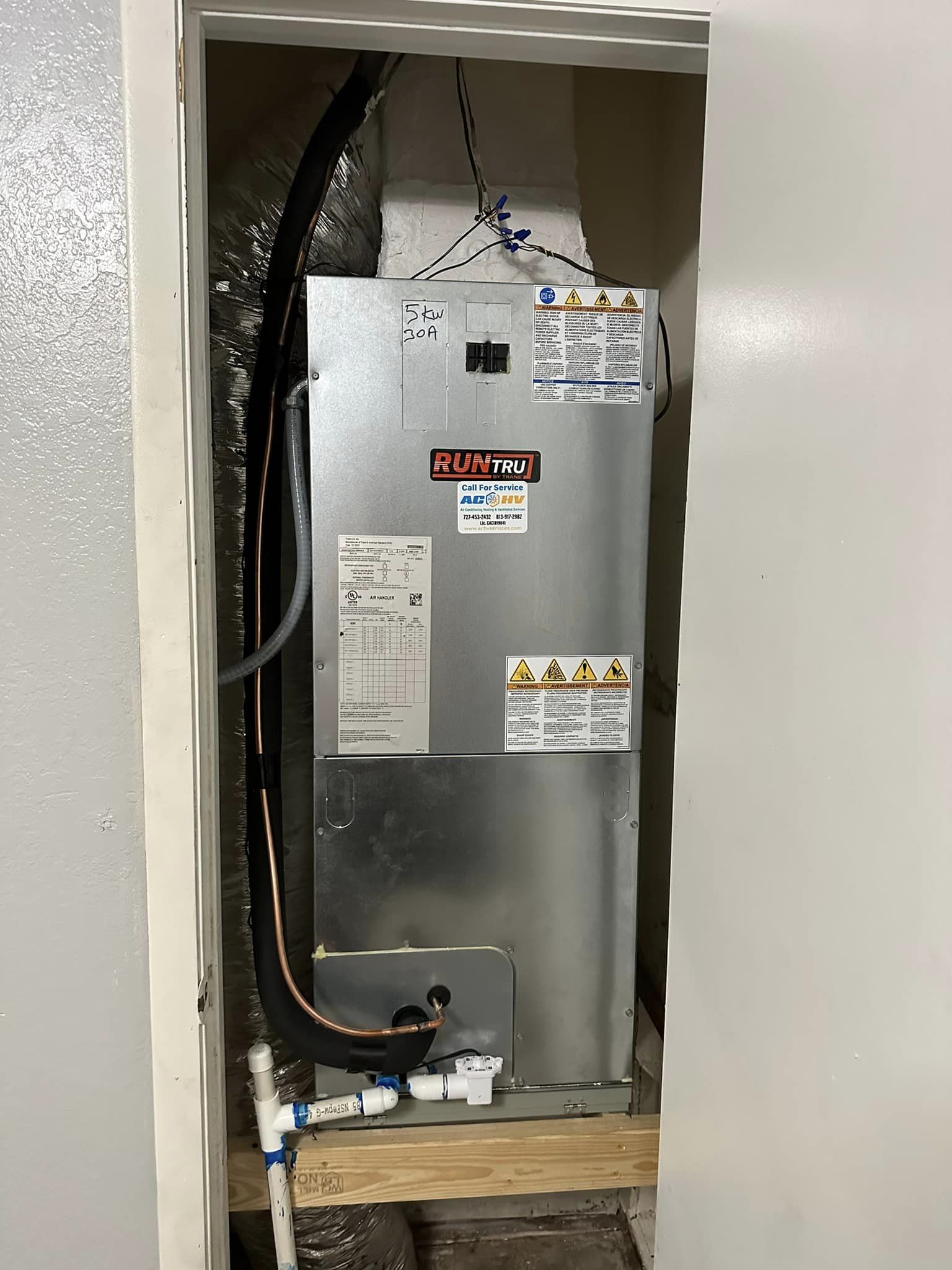
- Frozen evaporator coils: These can hinder the cooling process, triggering short cycles. This often stems from insufficient airflow or low refrigerant levels. Addressing these underlying causes not only helps with efficiency but also ensures your unit’s longevity.
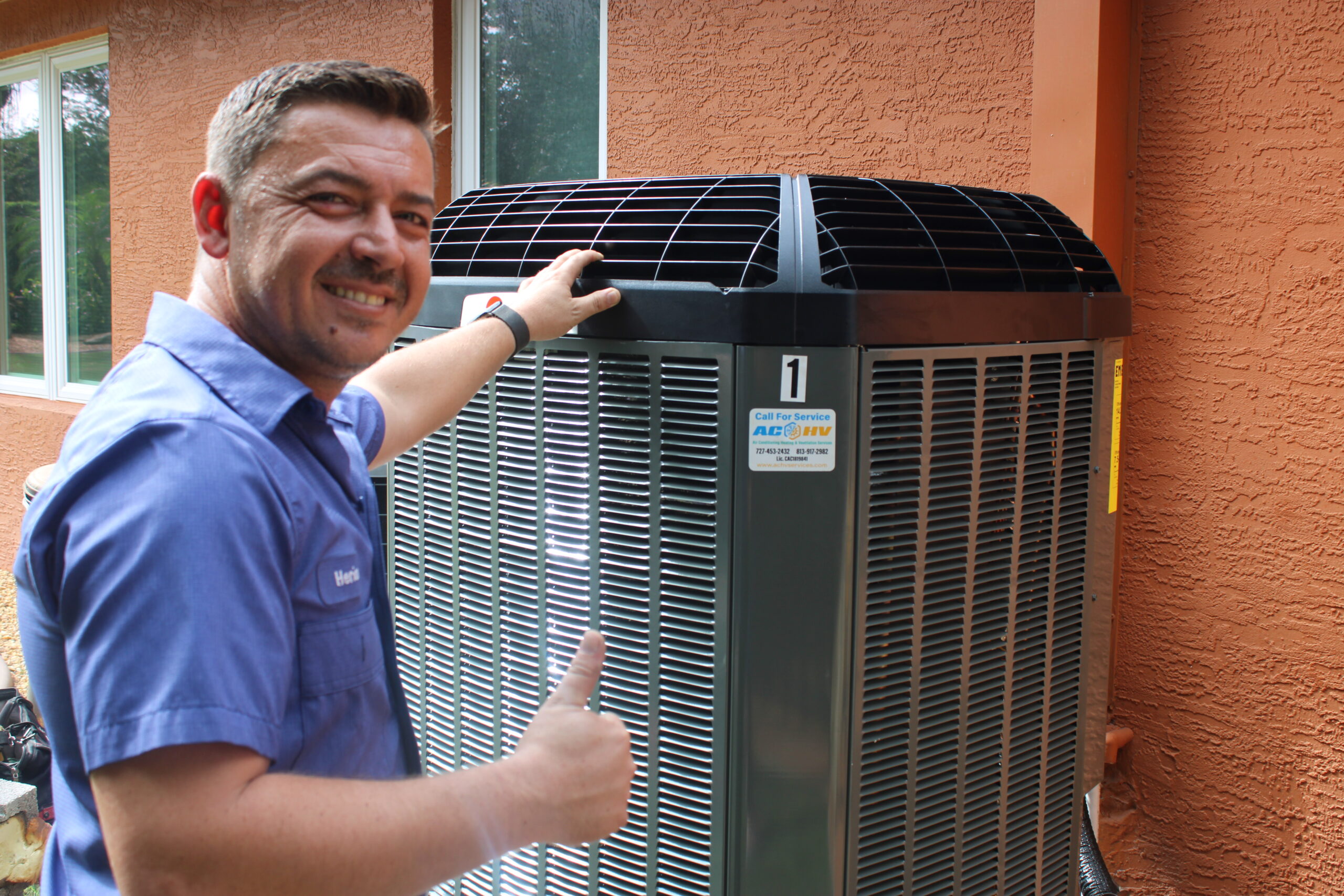
If after following these steps the problem remains unsolved, it might be time to reach out to ACHV Services. Our experienced technicians can diagnose deeper issues, ensuring your AC unit functions smoothly and efficiently all year long.
Knowing When It’s Time for Expert Help
While there are plenty of DIY steps you can take to address short cycling, there are times when calling a professional HVAC technician is not just recommended but essential. If you’ve exhausted quick fixes and the problem lingers, it’s a clear indicator that expert help is warranted.
Our team has the tools and expertise to diagnose and repair complex short cycling issues, ensuring your system runs smoothly and efficiently.
Consider professional help in the following scenarios:
- Persistent Issues: If your air conditioner continues to short cycle despite your best DIY attempts, it’s time for a professional evaluation by our pros. This might be a sign of underlying issues like compressor failure or a malfunctioning thermostat.
- Repeated Coil Freezing: If you notice that the evaporator coils keep freezing, it’s crucial to contact us. This could indicate refrigerant leaks or airflow problems that require specialized skills and equipment to solve.
- Refrigerant Leaks: Handling refrigerants is not only complex but also requires certifications due to environmental regulations. We can properly address and refill refrigerant levels, safeguarding both your HVAC system and the environment.
- Odd Noises and Odors: Unusual sounds or smells emanating from your unit might suggest deeper mechanical problems. Our experts can pinpoint the exact cause, preventing further damage and potential safety hazards.
Schedule an HVAC Tune-Up Today
Remember, timely professional intervention can prevent minor issues from escalating into costly repairs. Don’t hesitate to call or text our guys to schedule an inspection! We can provide reliable diagnosis and maintenance before it’s too late.
Remember, ensuring regular maintenance is key to avoiding future headaches and maintaining optimal heating and cooling performance at your Tampa Bay area home. And we’re just a phone call away to help!
Hillsborough > 813-917-2982
Pinellas > 727-453-2432